


Coffee FAQ
Coffee should be enjoyable, approachable, and worth slowing down for. Below are answers to some of the most common questions we hear about brewing, roast levels, freshness, cold brew, and choosing the right coffee for your routine.
Coffee Basics
Specialty coffee is coffee that is carefully grown, processed, roasted, and brewed to highlight its natural character. It focuses on quality at every step, from the farm to the final cup.
Single Origin Coffee comes from one country, region, or farm rather than being blended from multiple origins. These coffees often highlight the distinctive flavor characteristics of where they were grown.
Blends are crafted for balance and consistency, while single origin coffees are meant to showcase the unique character of a specific place.
If you want a dependable everyday cup, a blend is often a great choice.
If you want to explore regional flavor differences, single origin coffee is a great place to start.
If you're not sure which style you prefer, a Coffee Sampler is a great way to explore different coffees and discover what you enjoy most.
Roast level describes how long the coffee has been roasted and how much the flavor has developed.
In general:
- light roast coffees tend to highlight brightness and origin character
- medium roast coffees tend to be balanced and versatile
- dark roast coffees tend to be bolder, deeper, and fuller-bodied


Freshness
At SilverStream Coffee Roasters, every batch is roasted, in Butler, PA, in small quantities by our founder, Bruce, who brings more than 20 years of roasting experience to the craft. Roasting this way allows us to highlight the unique character of each coffee while ensuring your fresh roasted coffee beans arrive ready to enjoy. Fresh roasted coffee preserves the aroma, sweetness, and complexity that make specialty coffee truly exceptional.
Whole bean coffee is best enjoyed within a few weeks of roasting for peak flavor, though it can remain enjoyable longer when stored well.
Ground coffee loses freshness faster than whole bean coffee. Why? Fresh roasted coffee develops its best flavor a few days to weeks after roasting as it naturally releases carbon dioxide, a process called degassing. Brewing too soon can trap gases and affect extraction, while waiting a short time allows the flavors to open up.
In general, coffee tends to reach peak flavor around:
Light Roast: about 7–14 days after roasting
Light roasts are denser and release gases more slowly, so they often benefit from a little more resting time before brewing.
Medium Roast: about 5–10 days after roasting
Medium roasts balance brightness and body, and usually reach their sweet spot within the first week or so.
Dark Roast: about 3–7 days after roasting
Dark roasts degas more quickly and tend to be ready to brew sooner.
When stored well, whole bean coffee can continue to taste great for several weeks after roasting, though the most vibrant flavors are usually experienced during this early window.
At SilverStream Coffee Roasters, every batch is roasted in small quantities so your coffee arrives fresh and ready to enjoy.
Store coffee in a cool, dry place in a sealed container (or the bag it comes in) away from heat, moisture, and direct sunlight. Avoid storing coffee in the refrigerator.
For everyday use, it is usually better to keep coffee sealed at room temperature in a cool, dry place. Freezing can be useful for longer-term storage if the coffee is sealed well, but repeated temperature changes are not ideal.

Brewing
The best grind size depends on how you brew:
- coarse grind for French press and cold brew
- medium grind for drip coffee makers
- medium-fine for pour-over depending on brewer
- fine grind for espresso
A great starting point is about 1:16 coffee to water by weight. You can adjust stronger or lighter depending on your preference.
Check out our Coffee Brewing Guide page!
Drip coffee makers and French press are both great places to start. They are simple, forgiving, and easy to enjoy at home.
Single origin coffees are often especially enjoyable as pour-over because they highlight clarity and origin character. Lighter and medium roasts can be especially expressive in this brewing method.
French press works beautifully with coffees that have body and depth. Medium and dark roasts are often great choices, but many single origins also shine in French press.
Our Wayfarer Breakfast Blend or Baseline House Coffee Blend is a great place to start!
Espresso works best with coffees that offer body, sweetness, and balance. Espresso blends are designed specifically for this, but some medium and medium-dark coffees also work beautifully.
Our Baseline House Coffee Blend is what we use in our Airstream coffee trailer. Our Espresso Blend Coffee is also an excellent choice!

Roast Levels and Flavor
Dark roast tastes bolder, but that does not always mean it contains more caffeine. Roast level changes flavor more than it changes the overall caffeine experience in a meaningful way for most people.
FUN FACT: Light roast is typically highest in caffeine content!
Medium roast is often the most versatile choice for everyday drinking because it balances body, sweetness, and origin character.
Baseline House Coffee Blend, Wayfarer Breakfast Blend Coffee, Guatemala Huehuetenango Single Origin Coffee are great options!
Bright coffee usually refers to a lively, crisp acidity that adds freshness and complexity to the cup. It does not mean sour when the coffee is roasted and brewed well.
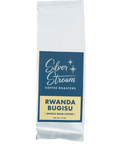
Our Ethiopia Sidamo Guji Single Origin, Kenya AA Single Origin, and Rwanda Single Origin coffees are excellent options of bright coffees!
Body refers to the weight or texture of the coffee in your mouth. Some coffees feel tea-like and delicate, while others feel rich, velvety, or syrupy.
Try our Best Sellers Sample Pack and discover how each feels in your mouth!
Decaf Coffee
Yes. A well-roasted decaf can be smooth, balanced, and deeply satisfying. Great decaf should still taste like great coffee.
Swiss Water Process decaf uses water, temperature, and time to remove caffeine without chemical solvents. It is known for preserving the coffee’s flavor while creating a clean decaf experience.
Decaf coffee still contains a small amount of caffeine, but far less than regular coffee. A typical 8-ounce cup of regular coffee contains about 80–100 milligrams of caffeine, though the exact amount can vary depending on the coffee, roast level, and brewing method.
An 8-ounce cup of decaf coffee usually contains about 2–5 milligrams of caffeine. While decaf is not completely caffeine-free, it contains about 95–97% less caffeine than regular coffee.
Because of this, decaf coffee is a great option for people who enjoy the flavor and ritual of coffee but want to reduce their caffeine intake, especially later in the day.
At SilverStream Coffee Roasters, our decaf coffees are carefully roasted to deliver the same smooth, balanced flavor you expect from great coffee—just with far less caffeine.


Baseline Decaf Coffee Swiss Water Process
Cold Brew
A good starting point is 12 to 18 hours in the refrigerator. We let ours steep for 24 hours!
Cold brew coffee is made by steeping coffee in cold water over an extended period of time, usually 12 to 18 hours. This creates a smooth, low-acid, refreshing cup.
Cold brew is brewed cold over time, while iced coffee is typically hot coffee that has been cooled and served over ice. Cold brew is usually smoother and less acidic.
Cold brew is best made with a coarse grind.
Our New Orleans Cold Brew Coffee comes already ground for you for quick and easy steeping. Speaking of steeping, our Cold Brew Steep Packs are a convenient way to brew cold brew!
Yes. Cold Brew Steep Packs are one of the simplest ways to make cold brew at home. Just place the pack in water, steep overnight, and enjoy.


Ordering and Subscriptions
Yes. Coffee subscriptions are a great way to keep your favorite coffees coming regularly and ensure you always have fresh coffee on hand.
Use our Find Your Ideal Coffee Amount quiz to see how much coffee you drink per month, and then set up your subscription!
Whole bean coffee stays fresher longer and gives you more control over brewing. Ground coffee is convenient if you do not have a grinder or have limited time in the morning.
If you enjoy discovering new coffees and flavors, our Journey Coffee Subscription is a great place to start. Each shipment features a different coffee from somewhere along the Coffee Belt—the regions of the world where coffee is grown, including Central America, South America, Africa, and Indonesia.
This rotating subscription is designed for people who enjoy exploring the wide range of flavors coffee can offer. One month you might experience the bright citrus and floral notes of an Ethiopian coffee, while another might highlight the rich chocolate and smooth body of a Brazilian or Guatemalan coffee.
It’s an easy way to travel the coffee-growing world from your own kitchen and experience the unique character each region brings to the cup.
Explore Our Coffees
If you're ready to explore what makes each coffee unique, take a look at some of our most popular collections.If you enjoy balanced, dependable coffee for everyday drinking, explore our Coffee Blends.If you enjoy tasting the character of coffee from specific regions around the world, browse our Single Origin Coffee collection.If you prefer smooth, refreshing coffee brewed cold, explore our Cold Brew Coffee options.If you're not sure where to start, our Coffee Samplers are a great way to experience several different coffees and find your favorites.


Still Have Questions? Reach out to us—we’re always happy to help you find your next favorite cup.
Questions about our coffee or brewing:
Bruce Burman - Founder
bruce@silverstreamcoffeeroasters.com
Questions about orders or subscriptions:
Bonnie Burman - Director of Operations
bonnie@silverstreamcoffeeroasters.com
